Learn About Essential Tree Service Practices for Maximum Tree Health
Having knowledge of arboriculture is important for keeping the surroundings healthy. Key practices including mulching and trimming play significant roles in promoting tree vitality. In addition, the right way to water are essential for developing strong roots. Nonetheless, many people overlook the symptoms of sick trees and the value of professional arborists. Exploring these aspects can foster a greater respect for trees and their care. How can someone ensure to make sure their trees flourish?
Grasping the Value of Healthy Trees
Knowing why tree health is crucial is essential, as trees are key players in maintaining ecological balance and enhancing urban environments. Vibrant trees help improve the quality of the air, offer cooling shade, and provide refuge for nature. Furthermore, they help lessen global warming by capturing carbon, which makes them vital for environmental sustainability.
Within metropolitan areas, healthy urban trees improve aesthetics, boost real estate worth, and foster neighborhood health. Trees help diminish city heating in cities, resulting in reduced utility bills.
Failing to care for trees, conversely, can lead to illness, bug invasions, and unstable limbs, presenting hazards to infrastructure and the trees themselves. As a result, knowing the markers of tree well-being, such as leaf coloration, its development rate, and the state of the bark, is critical for proper care. Ultimately, promoting tree health helps more than personal gardens but the wider ecological system, stressing the importance for preventative maintenance and care methods.
Key Methods for Pruning

Trimming is a key technique in tree care that ensures optimal development and well-being, as it takes away unhealthy branches and enhances air flow within the canopy. Employing proper techniques guarantees that trees can grow well in their setting.
An essential practice is "thinning," which involves selectively removing branches to enhance light penetration and lessen the load on fragile branches. 'Heading cuts' is one technique, where the terminal buds are removed to promote bushier growth, especially in young trees. Additionally, the 'crown reduction' method lowers the overall height of a tree but keeps its characteristic silhouette.
Timing is essential; pruning during the dormant season minimizes stress and ensures faster recovery. Tools should be sharp and clean to avoid damage and the spread of pathogens. Grasping these critical pruning practices is vital for every arborist who seeks to keep healthy and aesthetically pleasing trees.
Identifying Common Tree Diseases
How do tree owners identify the indicators of typical illnesses that endanger their trees? Knowing the particular signs is essential for early detection and treatment. Typical signs involve leaves that are yellowing or drooping, which may suggest fungal infections or insufficient nourishment. Abnormal formations, like cankers or galls, may indicate insects are present or diseases that harm the tree's vitality. Additionally, bark shedding or sticky sap can be a sign of disease that require immediate attention.
Arborists should look for alterations in the tree's form, like premature leaf shedding or dead branches, suggesting a deeper, more serious issue. Monitoring for signs of insect infestations, such as holes in the bark or frass, is necessary too. By staying watchful and taking action, they can recognize these typical illnesses and find suitable treatments, ensuring their trees remain healthy and vibrant throughout the seasons.
How Mulching Helps Trees
Mulching serves as an important practice in tree care, giving various benefits which encourage strong development and hardiness. It means spreading a layer of specific material types at the tree's base, aiding in moisture retention, keeping weeds down, and stabilizing soil warmth. This protective barrier not only reduces competition from invasive plants but also enhances the aesthetic appeal of the yard.
In addition, natural mulching materials, like bark or wood chips, break down eventually, enriching the soil with crucial nutrients and improving its structure. This ongoing process helps roots establish and fosters a healthier environment for the plant. Additionally, applying mulch helps stop soil erosion, maintaining the stability of the tree’s root system. Properly applied mulch should be spread in a circular pattern, making sure it doesn't touch with the trunk to prevent rot. In summary, integrating mulch application into tree care routines greatly supports to the lasting vitality of trees.
Effective Watering Techniques for Trees
Quality tree upkeep needs more than just mulching but also appropriate watering techniques to guarantee ideal growth and health. Tree specimens, especially those recently planted, demand regular water to form solid root networks. Deep hydration is crucial, as it helps roots push deeper where moisture is more consistent. Ideally, trees should receive about an inch of water per week, be it from precipitation or supplemental irrigation.
It is best to water at helpful tips dawn to cut down on evaporation and disease caused by fungi. It is important to avoid overwatering, which often causes root decay and other issues. One must check the soil for moisture before watering; should the top two inches be arid, it is time to provide water. Furthermore, employing a soaker hose or drip irrigation offers a slow, constant flow of water, ensuring that trees receive adequate hydration without the risk of runoff. Proper watering practices significantly aid to the overall health of trees.
Engaging Expert Arborists: The Timing and Rationale
When considering the health and aesthetics of a property, engaging expert tree care can be crucial for homeowners with complicated tree maintenance requirements. Trained arborists hold the expertise to evaluate the condition of trees, identify diseases, and execute beneficial procedures. They also understand local regulations concerning tree removal and maintenance, guaranteeing compliance and preventing costly penalties
(Stillwater Tree Service)It is wise for homeowners to engage professionals when dealing with large trees, specifically trees near homes or power lines, as incorrect care can lead to dangers. In addition, trees requiring pruning for looks or well-being gain from the abilities of trained specialists who can make accurate cuts to promote growth
Routine seasonal work, such as pre-storm readiness and clearing debris, also warrant professional intervention to maintain property safety and appearance. As a result, engaging professional tree services guarantees that trees receive ideal care, thereby enhancing the entire outdoor space and home valuation
Commonly Asked Questions
How Do I Know if My Tree Is Overwatered?
Symptoms of excessive watering are foliage turning yellow, wilting despite moist soil, rotting root systems, and significant defoliation. Furthermore, the development of mold or fungus near the trunk's bottom often suggests poor drainage and saturated soil.
What Is the Best Time of Year for Tree Pruning?
The ideal season for trimming is typically late winter to early spring before the onset of new foliage - Stillwater Tree Service. This timing promotes vigorous development and lessens the impact on the plant, allowing for effective healing and further growth
Is It Possible for Trees to Survive Major Storm Damage?
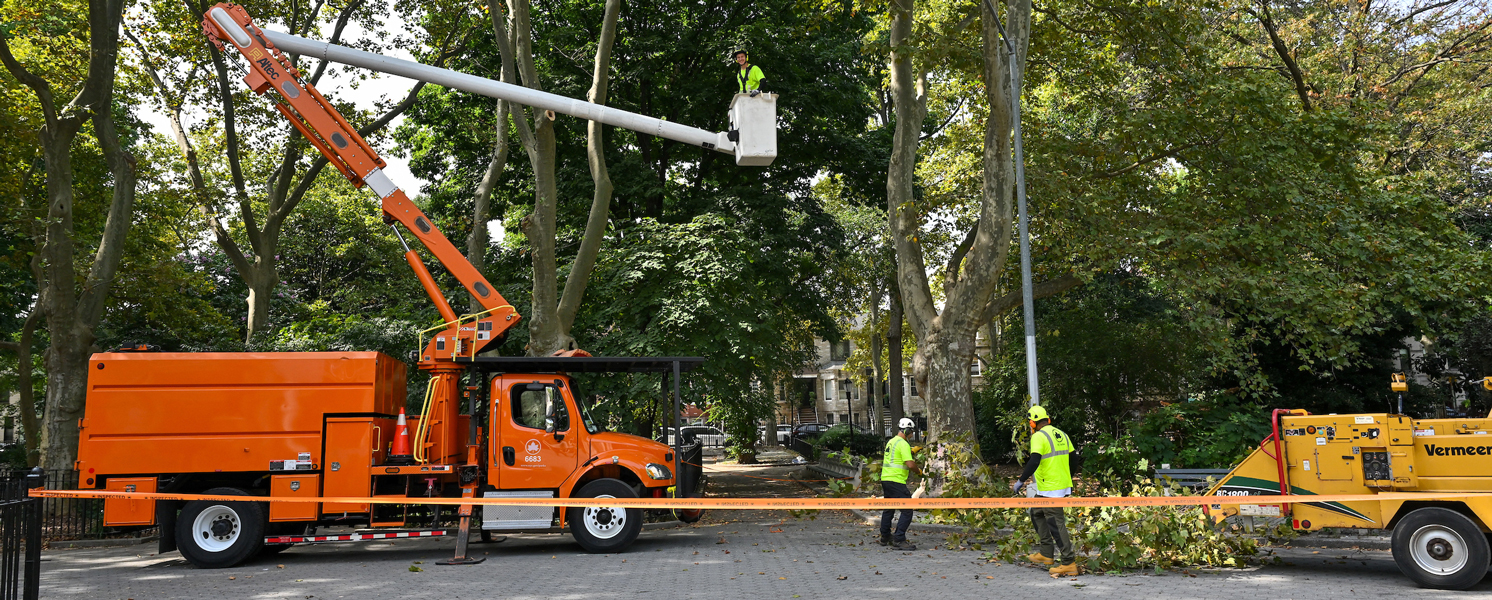
Yes, trees can recover from severe storm damage. Given the right attention, including the removal of injured parts and supplying necessary moisture and food, a lot of trees can become healthy again and continue to thrive following a stressful event.
How Do I Choose the Right Mulch for My Trees?
In order to pick the best mulch, it is best to use organic options like wood chips or bark, ensure a layer 2 to 4 inches deep, and never stack mulch against the base to minimize fungal issues.
Are Some Trees Higher Maintenance Than Others?
Some species, such as fruit trees and newly planted specimens, need extra maintenance because they react strongly to environmental shifts and unique feeding requirements. Consistent observation and customized care routines are crucial for their well-being and flourishing.